

If you’ve found an ant nest in house, the fastest safe way to eliminate it is to set slow-acting ant baits directly along active trails and near entry points, not to spray the trail. Workers carry bait back to the nest and share it with the queen, which reduces and often collapses the colony. Put several small bait placements where you see steady movement, keep them dry and undisturbed, and resist the urge to clean or spray over the trail near the bait.
Right now, tighten sanitation and moisture control, then follow trails to place multiple baits. Expect a brief surge in activity as ants recruit to the food, then a drop within 24–72 hours and major decline in 3–10 days. After activity stops, seal the gaps they used. If you notice carpenter ant clues like coarse sawdust-like frass, larger winged ants inside, or faint rustling in walls, or if you cannot locate where they’re entering, consider a professional. DIY baiting typically costs about $15–$40 to start; a professional service commonly runs $150–$400+ for structural or hidden nests, especially with carpenter ants.
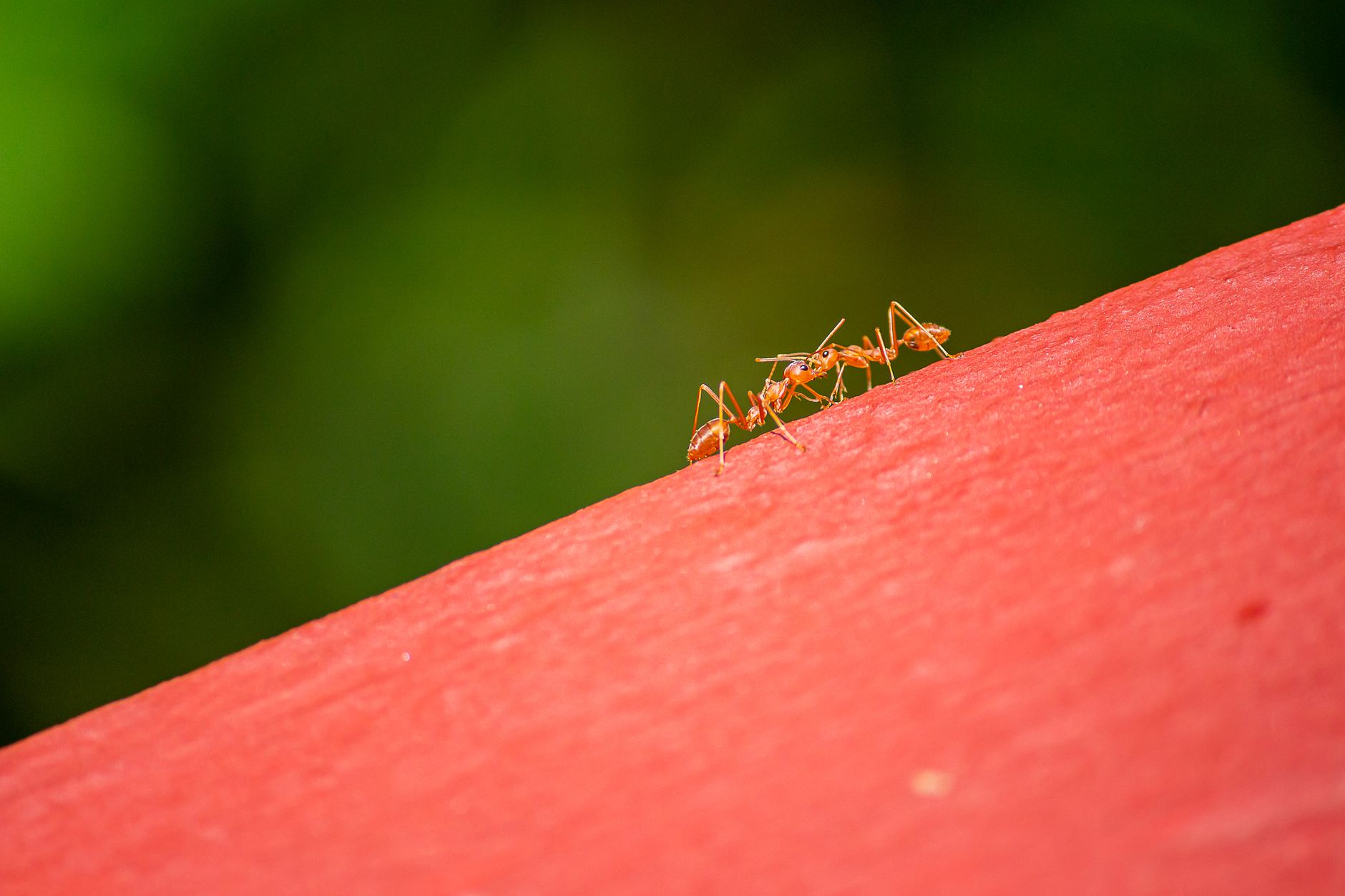
Found an ant nest in house? Do this first
When ants are already inside, aim the first 24 hours at stopping the colony, not just the foragers you see. Here’s the game plan that works for most common house-invading species.
- Place slow-acting baits on and beside active trails and near entry points. For tiny sugar-loving ants, start with sweet liquid or gel baits; for grease or protein seekers, try protein/grease baits or granular options. Use several small placements rather than one big blob.
- Do not spray where you place bait. Repellent sprays or harsh cleaners near bait can strand the colony, scatter the ants, and sharply reduce bait uptake.
- Reduce easy food and water: wipe up crumbs, keep counters dry, store food in tight containers, rinse recyclables, and empty trash regularly. Fix any leaks under sinks.
- Expect activity to rise for a day as ants recruit, then fall within 1–3 days as bait works through the colony.
- Keep baits out for a full week and refresh as needed. After activity stops, remove bait, then seal the entry points.
- If you suspect carpenter ants or hear sounds in walls, call a licensed pro, because these ants often nest in damp or decayed wood and may require specialized control plus repairs.
Costs and timelines: a basic bait kit is often $15–$40. Many households see fewer ants within 24–72 hours, with most indoor colonies collapsing in about 3–10 days. Professional inspections and treatments commonly cost $150–$400+ depending on home size, species, and whether moisture-damaged wood is involved.
Common mistakes to avoid
- Spraying near the bait or across active trails (reduces bait acceptance and scatters workers)
- Moving or removing baits too soon (give them a full week unless ants ignore them)
- Deep-cleaning trail areas before ants find and feed on bait (you can gently clean a few feet away; save deep cleaning for after control)
- Offering just one bait type (if uptake is low after 24–48 hours, switch between sugar and protein/grease)
- Sealing entry points before the colony is controlled (you can trap ants inside wall voids and push them elsewhere)
- Putting bait in puddles, drips, or hot sun patches (keep baits dry, shaded, and stable)
Find the nest and trails without opening walls
You rarely need to open drywall to find where ants are coming from. Instead, map their traffic and place bait precisely.
- Night check (10 minutes): with a flashlight, look along baseboards, under sinks, behind small appliances, and around door thresholds. Many ants forage most at night; carpenter ants in particular may be visible then.
- Trail-mapping trick: place a pea-sized dab of honey (for sugar ants) or peanut butter (for protein seekers) on index cards every few feet across suspected paths. Within minutes, you’ll see direction of travel. Follow it back to gaps at baseboards, cabinet toe-kicks, plumbing or electrical penetrations, or window and door frames.
- Focus zones: kitchens and bathrooms; under sinks; behind refrigerators and dishwashers; laundry rooms; utility chases; furnace or water heater closets; around plumbing risers and electrical lines; window sills and patio doors; damp wood or areas with past leaks.
- Listen for carpenter ants: at night, put your ear to the wall where you see big ants; faint rustling or clicking can indicate activity in a void. Also look for piles of coarse sawdust-like frass with insect parts—classic carpenter ant sign.
Choose the right bait and place it correctly
Ants’ food preferences shift with species and season. Tiny odorous house ants and many “sugar ants” love sweet baits in spring and summer; some colonies switch to proteins and fats, especially when raising brood. Pharaoh ants and similar species are notorious for splitting colonies when sprayed, so bait is especially useful for them. Carpenter ants will take sweet gels and sometimes protein baits along foraging routes, but you still need to fix moisture issues to keep them from re-nesting.
Use the guide below to match bait to your situation, then place multiple small dots or stations along trails and near entry points every 3–6 feet. Keep baits clean, dry, and out of direct sunlight and avoid cleaners or fragrances nearby. If uptake is weak after 24–48 hours, rotate between sugar and protein/grease formulas and try a different active ingredient.
| Ant type/size | Nesting clue/location | Preferred food now | Suggested bait form | Common active ingredient types | Placement spots | Expected time to results |
|---|---|---|---|---|---|---|
| Tiny “sugar” ants | Kitchen trails, around sinks, counters | Mostly sugar; may switch to protein later | Liquid or gel bait; enclosed stations | Borate (borax/boric acid), indoxacarb | Along trails, counter edges, window sills | First drop 24–72h; 3–10 days for control |
| Odorous house ants | Lines along baseboards, under sinks | Sugar, occasionally protein | Liquid/gel bait; small stations | Borate, indoxacarb, fipronil (station) | Baseboards, under sinks, wall void entry | First drop 24–72h; 3–10 days for control |
| Pharaoh ants | Warm wall voids, kitchens/baths | Often protein/grease indoors | Gel/station; tiny placements | Hydramethylnon, indoxacarb | Along trails, near outlets and pipes | First drop 24–72h; 5–14 days for control |
| Carpenter ants (large) | Damp/decayed wood; frass piles | Sugar gels; sometimes protein | Gel bait; station near trails | Indoxacarb, fipronil (station) | Trails on siding, around doors, baseboards | First drop 24–72h; 7–14+ days for control |
Placement rhythm that works:
- Small, frequent bait points are better than one large blob; refresh any that dry out.
- Put stations where kids and pets cannot access; consider enclosed stations under appliances or inside cabinets with child safety locks.
- Gently wipe surfaces a few feet away from bait placements with soapy water to remove food residues; avoid wiping the active trail right at the bait.
- Check baits daily at first; reapply if consumed or dried, and rotate types weekly until activity stops.
Carpenter ants: special steps and red flags
Carpenter ants are different from typical kitchen ants. They form nests in damp or decayed wood, can expand into sound wood, and often build satellite colonies connected to an outdoor parent nest. While bait can help reduce foragers, long-term success depends on correcting the moisture that made the site attractive.
- Clues you’re dealing with carpenter ants: large dark ants, especially at night; piles of coarse, sawdust-like frass that may include insect parts; faint rustling in walls; softened or hollow-sounding trim or window sills; spring swarms of large winged ants indoors.
- Targeted approach: place sweet gel bait along foraging routes and near entry points; reduce moisture, replace damaged wood, and dry out the area. Do not open walls without evidence. Avoid repellents that may just push them elsewhere.
- When to get help: repeated frass piles, ongoing wall noises, sagging or damaged wood, or spring swarms inside. A professional can inspect exterior trees, stumps, and siding, and advise on repairs and long-term monitoring.
Stop future nests: fixes inside and outside
Once activity ends, remove baits and close the doors they used. Then tackle the conditions that brought them inside.
- Eliminate moisture: fix plumbing leaks, add ventilation in bathrooms and kitchens, replace water-damaged wood, and use a dehumidifier in damp basements or crawlspaces.
- Food and clutter control: store pantry goods in tight containers; wipe counters nightly; vacuum crumbs; don’t leave pet food out overnight; rinse recyclables; take out trash regularly. For a gentler, low-impact approach to kitchen hotspots, see Natural ant control for kitchens.
- Seal after success: caulk gaps at baseboards and along trim; foam around pipe and wire penetrations; add door sweeps and weather-stripping; repair window screens.
- Exterior tune-up: pull mulch and soil 6–12 inches back from the foundation; trim vegetation off siding and rooflines; keep firewood stacked off the ground and away from the house; check for soil-to-wood contact on stairs and decks.
- Adopt a simple home IPM rhythm: seasonal, room-by-room checks help you catch conditions early. This room-by-room primer is useful: Integrated pest management for homes. For a broader checklist of household habits that support a calmer, more pest-resistant home, try Pest Proof Your Home.
Troubleshooting if ants persist
If you still see activity after a week of baiting and sanitation, you can rescue the plan with a few targeted moves.
- After 7 days: switch to a different bait type (sugar ↔ protein/grease) and try a different active ingredient. Add placements closer to entry points and place additional small dots every 3–6 feet along any new trails.
- Remove competing food sources: clean up crumbs, remove fruit left on counters, and lift pet bowls between meals so the bait remains the most attractive option.
- Follow new trails: sometimes the indoor activity is fed by an outdoor nest. Place outdoor stations near foundation entry points, under eaves, and along landscape edges where trails approach the house.
- Escalate to a pro: if activity persists beyond two bait rotations or if you spot carpenter ant signs, schedule an inspection. Ask for an inspection that includes moisture checks and an exterior survey.
FAQs about ant nests in houses
What is the fastest way to get rid of sugar ants?
Place slow-acting liquid or gel baits directly along trails and near entry points while keeping the area dry and free of competing food. Do not spray the trail. Expect a brief surge as ants recruit to the bait, then a noticeable drop in 24–72 hours and substantial control in about 3–10 days.
How do you get rid of carpenter ants?
Use sweet gel baits along foraging routes, reduce indoor moisture, and replace water-damaged wood. Because carpenter ants often nest in damp or decayed wood and may have satellite colonies, consider a professional inspection—especially if you see frass piles, hear wall noises, or have repeated spring swarms indoors.
What attracts carpenter ants?
Moisture and decayed wood are the main draws. Leaky plumbing, wet window sills, damp door frames, and wood in contact with soil create ideal conditions. Outdoors, old stumps and water-damaged siding can host parent nests that send workers inside to forage.
What are the signs of a carpenter ant infestation?
Look for coarse, sawdust-like frass that may contain insect parts; large winged ants indoors; faint rustling or clicking sounds in walls at night; and areas of soft, hollow-sounding wood around windows or doors. Persistent frass or interior swarms are good reasons to call a pro.
Why am I seeing random large ants in my house?
Occasional large ants, especially at night, may be carpenter ant foragers from an outdoor nest. Follow their path with a flashlight to find entry points and place bait. If you also see frass or hear noises in walls, involve a professional to check for a structural nest and moisture problems.
How do I get rid of ants permanently?
There’s no one-time solution that lasts forever because ant pressure and food preferences change through the seasons. The most reliable long-term approach is integrated pest management: bait for the active species and season, improve sanitation and moisture control, seal entry points after success, and maintain an exterior buffer by managing mulch, vegetation, and wood storage. A periodic refresh of baits and checks each season helps keep colonies from reestablishing.
Handling an ant issue quickly and calmly—with the right bait in the right places, and a few simple fixes to food and moisture—usually resolves most indoor infestations without drama or heavy spraying. If this round reveals carpenter ant signs or tricky, recurring activity, a professional inspection is a smart next step.