

The best cucumber trellis is a sturdy, 5–7 ft tall A‑frame or vertical steel panel with a 4–6 in grid, sized to your bed or walkway and anchored securely; that combination keeps vines upright, fruit clean, and picking easy.
If you’re on a budget, drive 7 ft T‑posts 18–24 in deep and hang trellis netting; for a 3 ft raised bed, choose a 34–36 in wide A‑frame or lean‑to and plant cucumbers 6–12 in apart, which works out to about 6–8 vines per 6 ft section.
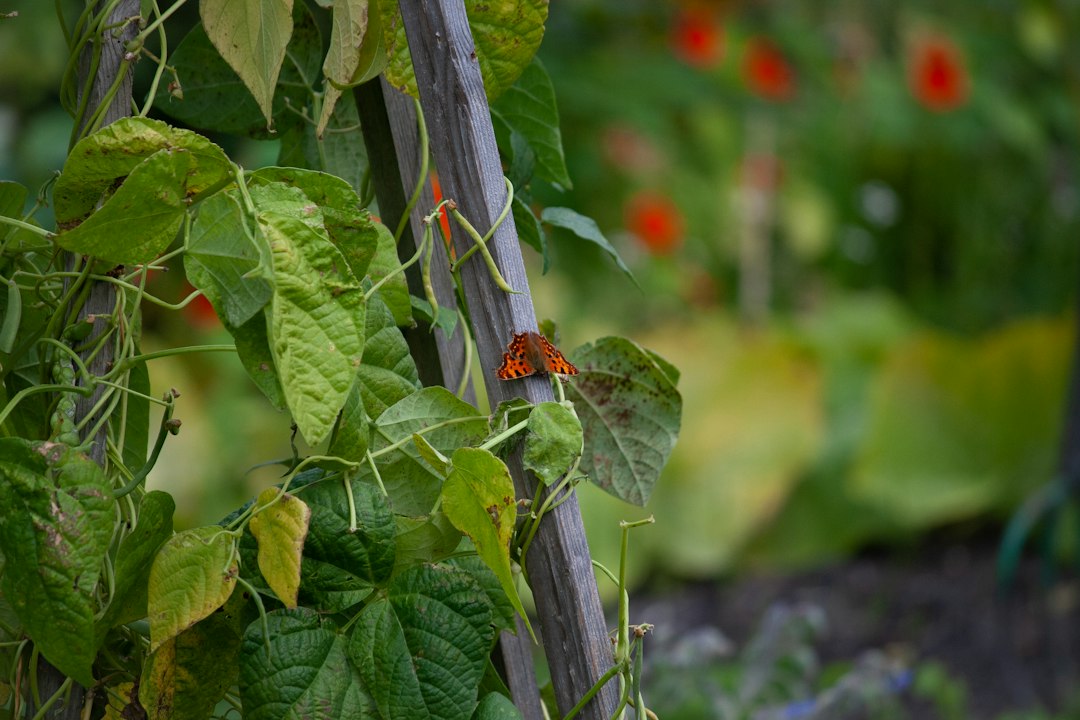
The short answer: what to buy or build and why
Most gardeners are choosing between two winners: a metal A‑frame or a vertical panel/lean‑to. Both styles support long vines, open the canopy for airflow, and keep fruit off soil splash. A‑frames are great in raised beds because they straddle the bed and fold flat at season’s end. Vertical panels shine along the bed edge or fence line, where they can be braced hard against wind.
Use these sizing rules so your trellis fits your space and your plants:
- Height: 5–7 ft tall for vining cucumbers (pick 6–7 ft where vines are vigorous); 3–4 ft is enough for bush types.
- Width: match your bed. For a 3 ft raised bed, aim for a 34–36 in A‑frame or a lean‑to that spans the bed width without blocking the path.
- Grid/mesh: 4–6 in squares make it easy to reach through, guide tendrils, and pull fruit without bruising.
- Anchoring: set posts 18–24 in deep; span supports 4–6 ft apart; for netting, tension a top wire or rope so the mesh doesn’t sag.
- Capacity: 6–8 plants per 6 ft section when spacing vines 6–12 in apart along the base.
Why trellis at all? Trellised cucumbers get better airflow and sunshine around leaves, which can help reduce leaf wetness periods after rain or overhead watering. That usually means fewer leaf spots and cleaner, straighter fruit. It also makes it easier to see and harvest at the right size, which keeps vines producing.
Best cucumber trellis options compared
All the common builds can work. The table shows what each type is best for, how big to make it, approximate capacity, effort, and tradeoffs. Choose by your space, wind exposure, and how often you want to rebuild vs. store a frame.
| Trellis type | Best for | Min height | Typical width/span | Mesh size | Plant capacity per 6 ft | Materials | Estimated cost (buy/DIY) | Setup time | Tools needed | Durability/lifespan | Storage footprint | Pros | Cons |
|---|---|---|---|---|---|---|---|---|---|---|---|---|---|
| A‑frame (metal or wood + panel) | Raised beds, small spaces; foldable | 5–6 ft | Bed width (e.g., 34–36 in for 3 ft beds) | 4–6 in | 6–8 plants | Steel panel + hinges/zip ties; or wood + wire | Medium / Low–Medium | 30–60 min | Post driver/drill, snips, ties | High if metal; medium if wood | Flat when folded | Plants on both sides; sturdy | Heavier to move; initial build |
| Vertical panel / lean‑to | Bed edge, against fence or bed cap | 6–7 ft | 4–6 ft sections | 4–6 in | 6–8 plants | Cattle/mesh panel + posts/braces | Medium–High / Medium | 30–60 min | Post driver, ties, screws | Very high (steel panel) | Bulky panel in storage | Very strong; clean harvest | Needs solid anchoring |
| Arch / arbor | Walkways, shade tunnel | 6–7 ft headroom | Path width 3+ ft | 4–6 in | 8–12 plants (both sides) | Two panels bent into an arch + posts | High / Medium–High | 45–90 min | Post driver, ties, safety gloves | Very high | Bulky; may stay in place | High yield; easy hanging pick | Requires careful bracing |
| T‑posts + trellis netting | Fast, budget build; seasonal | 6–7 ft posts (drive 18–24 in) | Supports spaced 4–6 ft | 5–6 in netting | 6–8 plants | 2–3 T‑posts, top wire/rope, netting | Low / Low | 20–40 min | Post driver, scissors, zip ties | Medium (posts reusable) | Small (netting is light) | Cheapest; quick to put up | Netting may sag or need replacing |
| String/twine system | Containers, balconies | 5–6 ft top support | One string per plant | N/A (single string) | One plant per string | Top bar + twine + clips | Low / Low | 20–30 min | Drill/driver, scissors | Medium (twine seasonal) | Minimal | Ultra compact; cheap | Frequent training; less sturdy |
| Teepee/panel hybrid | Kids’ gardens, tight corners | 5–6 ft | 3–4 poles tied at top | 4–6 in if using mesh | 3–5 plants | Bamboo/EMT conduit + mesh | Low–Medium / Low | 25–45 min | Pruners, ties | Medium | Small | Easy picking; looks fun | Lower capacity; can rock in wind |
How to choose size and height for your space
Think through bed width, walkway clearance, wind exposure, and how many vines you actually plan to grow. Then apply these quick formulas.
- Raised beds: Make width ≈ bed width. For a 3 ft bed, choose a 34–36 in A‑frame or a lean‑to attached to the bed’s north edge so it doesn’t shade the rest. Put the base on the soil or bed cap, and brace the top to resist racking in wind.
- In‑ground rows: Drive posts 18–24 in deep, spacing them every 4–6 ft. Pick 6–7 ft of above‑ground height for vigorous slicers and picklers to avoid vine spillover. If rows run east–west, trellis on the north side to minimize shading of shorter crops.
- Containers and balconies: Use a narrow A‑frame or single vertical panel. Anchor the base to the container (zip ties through drilled holes) and tie the top to a deck rail or wall eye screw. Cap height at 5–6 ft so the structure doesn’t turn into a sail in gusts.
- Arches and walkways: Set arch headroom at 6–7 ft and allow a 3–4 ft path so two people can pass under. Anchor both bases with posts driven 18–24 in deep, and add diagonal braces or guy lines if your site is exposed.
Capacity planning: Expect most vining cucumbers to run 6–8+ ft long in peak weather. That means a 6 ft panel generally carries 6–8 plants without heavy tangling when you space plants 6–12 in apart. Use a 4–6 in mesh: smaller holes trap fruit and fingers; larger holes provide less grip for young tendrils.
To keep your garden timeline on track, start strong transplants and harden them gradually. If you’re still dialing in your seedling process, this step‑by‑step resource can help: seedling production best practices. And if you organize your projects by season, this seasonal garden maintenance checklist pairs well with the trellis work you’ll do in spring and mid‑summer.
Printable setup checklist
- Measure bed width and path clearance; choose trellis width to match.
- Pick height: 5–7 ft for vining types; 3–4 ft for bush types.
- Note wind exposure; plan deeper posts or guy lines if open and gusty.
- Anchoring plan: posts 18–24 in deep; supports every 4–6 ft; top wire for netting.
- Budget target: choose netting + T‑posts (budget), panel (sturdy), or arch (feature).
- Shopping list: posts/panels, netting, soft ties/clips, top wire or rope, stakes.
- Tools: post driver or sledge, drill/driver, tin snips, tape measure, gloves.
- Layout: mark plant holes at 6–12 in spacing; plan 6–8 plants per 6 ft.
- Training plan: tie new growth every 6–8 in; set weekly check‑ins.
- Safety: wear gloves and eye protection when cutting or bending wire.
Fast builds with exact steps (under 60 minutes)
Budget build: two 7 ft T‑posts + trellis net
- Mark the line: Snap a taut string or lay a straight board where the trellis will go.
- Drive posts: Drive two 7 ft T‑posts 20 in deep, 6 ft apart. Add a middle post for windy sites (total three posts, each 4–6 ft apart).
- Add a top tension line: Tie galvanized wire, paracord, or poly‑wire between posts at the top. Twist or ratchet it until tight.
- Hang netting: Unroll 5–6 in trellis netting. Zip‑tie or clip it to the top line every 6–8 in, then to the posts down the sides.
- Stake the bottom: Pin the bottom of the net with landscape staples or tie it to a lower line so it doesn’t billow.
- Plant and space: Transplant or seed 6–12 in apart along the base; plan on 6–8 vines for the 6 ft span.
Sturdy A‑frame from panels
- Gather materials: Two rigid wire panels cut to your bed width (e.g., 34–36 in for a 3 ft bed), plus a handful of heavy zip ties or short hinges and carabiners.
- Hinge the top: Stand panels upright edge to edge and “hinge” the top edges together every 6–8 in with zip ties or hinge hardware.
- Set the legs: Open to an A shape so the legs land 24–30 in apart. For a 3 ft bed, legs typically sit just inside the bed edges.
- Anchor: Stake or screw the bottom corners to the bed cap. For in‑ground beds, pound a short rebar stake or earth anchor by each corner and tie the frame to it.
- Plant both sides: Plant 3–4 cucumbers per 6 ft on each side, spacing 6–12 in. Train vines upward and over the ridge.
Lean‑to panel on a raised bed
- Top rail: Screw a 2×2 to the bed cap along the trellis edge to create a strong attachment point.
- Attach panel: Stand a wire panel against the rail at a slight angle (10–20 degrees). Secure it with conduit straps, U‑bolts, or heavy zip ties.
- Brace: Drive two stakes 12–18 in into the soil a foot out from the base and add diagonal braces back to the panel to resist wind.
- Plant the base: Space plants 6–12 in along the panel base.
Common setup pitfalls to avoid: shallow posts that wobble, no top tension on netting (leads to sag), overly small mesh that traps hands and fruit, supports spaced too far apart in wind, and forgetting to leave 3+ ft of path clearance where people will walk.
Train, prune, and maintain for bigger harvests
Begin training when vines are 8–10 in long. The earlier you guide growth, the less tying you’ll need later. Plan a quick weekly session to keep growth vertical and open.
- Training rhythm: As each vine grows 6–8 in, wrap it once around a vertical wire or string. Use soft plant ties, twine, or reusable clips; avoid thin wire that can cut stems.
- Lower leaf cleanup: Remove the lowest leaves and side shoots to about 12 in off the soil line over time. This exposes airflow near the base and simplifies watering.
- Storm check: After wind or heavy rain, re‑tie vines, re‑tension netting, and add a mid‑season top line if the span is sagging.
- Fruit support: Clip heavier slicing cucumbers or unusual shapes that stress the vine. Most fruits hang fine in a 4–6 in grid without extra slings.
- Harvest rhythm: Pick often. Allowing a few fruits to over‑mature signals the plant to slow down. Frequent picks keep vines productive and the trellis lighter.
For transplants that can handle training sooner without stalling, harden seedlings over 7–10 days so stems thicken before they meet the trellis. If you need a reminder on pacing that transition outdoors, see the seedling hardening schedule.
Mistakes to avoid (and quick fixes)
- Trellis too short: Add an extension piece or bend the top into a gentle arch. You can also loop top growth back down and clip it to lower rungs.
- Overcrowding: Thin to 6–12 in spacing along the base. If you’re using a string system, keep one main vine per string.
- Mesh too small: Swap to 4–6 in netting/panels or cut a few access squares larger where you harvest most.
- Under‑anchored in wind: Drive posts deeper, add a diagonal brace or guy lines, and reduce “sail area” with selective leaf cleanup.
- No top tension: For netting, install a taut top line and cinch ties every 6–8 in so vines don’t collapse the span mid‑season.
- Shading other crops: Move the trellis to the north edge of beds or orient it so sun reaches low crops.
FAQs about cucumber trellises
Do cucumbers do better on the ground or on a trellis?
Most vining cucumbers yield better and produce cleaner fruit on a trellis. Lifting vines improves airflow and sun exposure, which often leads to fewer leaf problems after wet spells and less slug or soil contact. Harvest is faster because fruit is visible.
What’s the ideal height for a cucumber trellis?
For vining types, 5–7 ft above ground is the sweet spot. Go 6–7 ft where heat and fertility drive vigorous growth. Bush cucumbers are shorter and manageable with 3–4 ft supports.
Which trellis type is best in raised beds or containers?
In raised beds, A‑frames and lean‑to panels are standouts because you can match width to the bed and attach them securely to the bed cap. In containers, a compact panel or single‑string system anchored to the pot and a nearby rail keeps weight and sail area down.
What is the best climbing cucumber?
Choose vining or indeterminate types for trellises (many slicers and picklers). Look for packet notes like “vigorous vines” or “excellent trellis growth.” Bush or compact types can use short supports but won’t fully cover a tall trellis.
How far apart should cucumbers be when grown on a trellis?
Space plants 6–12 in along the base. At that spacing, plan on 6–8 plants per 6 ft section. Tighter spacing needs more frequent training; wider spacing makes training easier and can improve airflow in humid climates.
What mesh size works best for cucumbers?
A 4–6 in grid is ideal. It’s large enough to reach through for harvest and to let young fruit slide without scuffing, and small enough that tendrils can grab hold early.
When your trellis plan is dialed, round out the space with reliable watering and evening path lighting so you can pick when it’s cool. If you’re improving garden lighting, this practical primer on outdoor solar garden lights is a helpful starting point.