

If you want a pest-aware house that relies on smart routines instead of heavy chemicals, integrated pest management for homes is the approach that keeps everything organized, practical, and safer for people and pets. This guide turns IPM into a seasonal, room-by-room playbook so you can spot issues early, respond precisely, and maintain results without overspending or over-spraying.
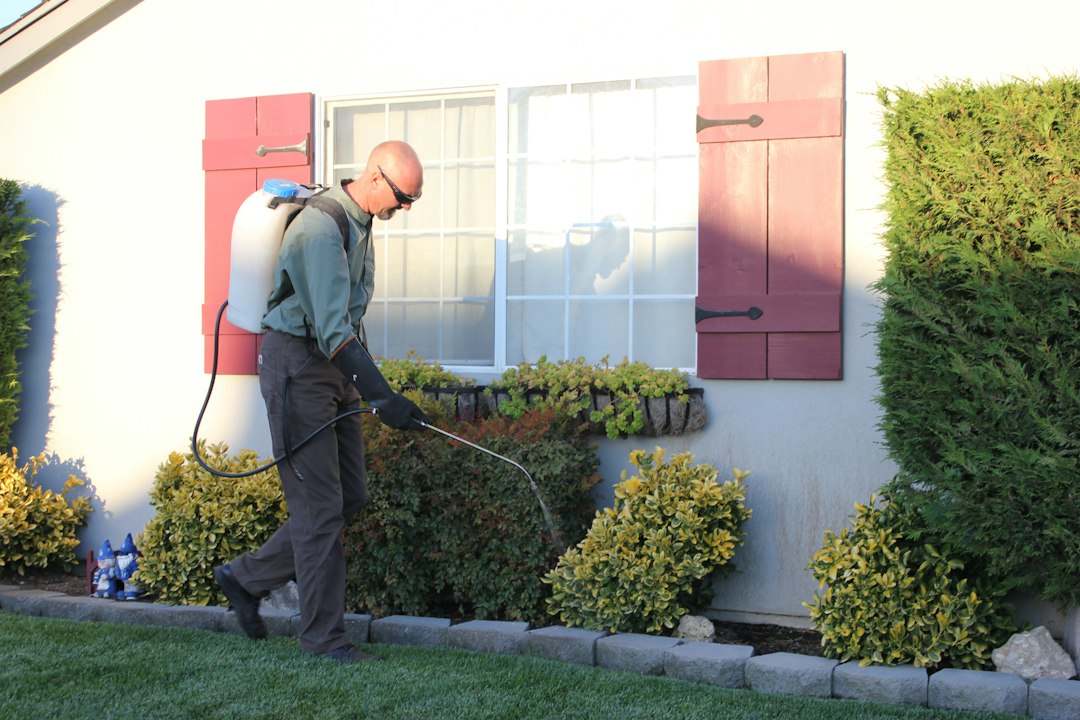
integrated pest management for homes: core principles
IPM is a framework, not a single product. It blends inspection, identification, monitoring, hygiene, exclusion, and targeted controls into a repeatable routine. At home, the big idea is simple: remove the food, water, and shelter that pests use; watch for activity with simple tools; act with the least risky measures that still work; and track what you changed so you can see what made the difference. When a spray or dust is warranted, apply the smallest effective amount, precisely, and only after you’ve addressed the underlying conditions that invited the pest.
Think of IPM as layered pressure. No single layer does every job, but together they make the home less attractive and less accessible to pests. The layers below are the backbone of a resilient home program:
- Exclusion: Fill gaps, add door sweeps, screen vents, and repair torn screens. A tight envelope reduces entries from insects and rodents.
- Sanitation and storage: Control crumbs, spills, grease, trash odors, and clutter. Store food and pet food in sealed containers.
- Moisture management: Fix leaks, improve drainage, ventilate damp rooms, and keep humidity modest so damp-loving pests lack habitat.
- Monitoring: Use sticky cards, glue boards, and simple notes to detect activity early and to see whether changes are working.
- Targeted control: Reach for baits, gels, dusts, traps, and spot applications that fit the pest’s biology and the location.
When these layers are applied consistently, you’ll notice fewer surprises, faster responses, and fewer broad applications. That saves time and money, and it supports a healthier home environment.
A seasonal roadmap: what to do in spring, summer, fall, and winter
Seasonality shapes pest pressure. The tasks below form an annual rhythm you can repeat. Adapt for your climate and construction type, and add notes based on what you observe.
Spring: prepare and proof
- Walk the perimeter and note cracks, gaps at siding joints, missing caulk at window trim, and gaps around pipes. Re-caulk and seal.
- Install fresh door sweeps on exterior and garage doors. If daylight shines under a door, pests can ride that path.
- Clean gutters and extend downspouts to discharge water at least five feet from the foundation. Grade soil away from the home.
- Service dehumidifiers and test bathroom and kitchen exhaust fans. Aim for indoor relative humidity under 50 percent in basements and baths.
- Set up monitoring: place sticky traps in kitchens, pantries, basements, laundry rooms, and behind appliances. Label locations, date them, and sketch a simple map.
- Pull mulch back to maintain a 6–12 inch gap between landscaping and the foundation to reduce insect bridges and dampness against siding.
- Inspect window screens and repair or replace any with tears or gaps. Check that all windows close snugly.
Summer: maintain, ventilate, and reduce attractants
- Keep garbage sealed and move it out frequently; rinse recycling to reduce residue that draws flies and roaches. Clean bins monthly with soap.
- Run exhaust fans during cooking and showering. If you use window AC units, tilt them slightly outward to drain, and seal around frames.
- Reduce vegetation against the house: trim shrubs, raise canopies off the ground, and keep grass mowed near the foundation.
- Replace missing weep hole covers in brick (where used in your region). Verify that vent screens are intact and secured.
- Refresh sticky traps as they fill or get dusty. Check weekly and record catches. Rising counts provide early warnings.
- Check outdoor faucets and hoses for drips that create damp soil. Fix leaks and store hoses neatly to avoid standing water.
Fall: block migration and store carefully
- Seal bigger gaps with backer rod and an appropriate sealant. Use copper mesh as a filler around pipes and cables before sealing.
- Store firewood away from the structure (15–20 feet) and elevate it on racks to reduce pest movement with logs.
- Move holiday decorations and off-season items into sealed plastic bins; avoid cardboard, which invites pests in basements or attics.
- Install or refresh door sweeps for bulkhead doors and weatherstrip attic hatches to block overwintering insects.
- Check foundation vents and crawlspace doors for tight fit, intact screens, and signs of gnawing. Repair as needed.
- Inspect attic insulation for gaps and ensure soffit vents are open and screened. Resolve any roof leaks before winter storms.
Winter: inspect, repair, and plan
- Review your notebook. Identify recurring catches or hot spots and plan specific fixes for spring.
- Deep-clean kitchen and pantry shelves. Pull out appliances, vacuum behind and under them, and degrease backsplashes and hood filters.
- Seal small holes inside cabinets or under sinks where pipes enter. Install escutcheon plates, then seal gaps to create a clean look and a tighter envelope.
- Check for condensation on windows. If present, upgrade weatherstripping and improve ventilation. Consider adding interior storm panels.
- Create a budget and schedule for spring maintenance: caulk, door sweeps, gutter extensions, dehumidifiers, and any needed pro services.
Room-by-room actions that work year-round
Conditions inside rooms determine pest pressure. The steps below keep each space aligned with your overall plan, with practical checks you can complete quickly.
Kitchen and pantry
- Store flour, cereal, rice, nuts, pet food, and birdseed in tight containers. Label and date items so you rotate older stock first.
- Vacuum crumbs from corners, toe-kicks, and the top of the refrigerator. Wipe shelves, especially high or seldom-used ones.
- Empty the toaster crumb tray weekly. Degrease stovetops and hood filters monthly; grease films are food for pests.
- Check sink traps for slow drainage; clear clogs and replace worn gaskets to reduce damp niches beneath sinks.
- Place two to four sticky traps along toe kicks and inside base cabinets away from kids and pets. Evaluate catches every week.
- Inspect under and behind the refrigerator and dishwasher for leaks and crumb buildup. Small leaks can attract roaches and springtails.
Bathrooms and laundry
- Run exhaust fans during and after showers. If fans exhaust into the attic, reroute to the exterior; attic venting feeds condensation and mold.
- Check under sinks for dampness. A simple moisture alarm in a problem cabinet can alert you before issues escalate.
- Clean floor drains and add water periodically to keep traps filled, discouraging drain flies.
- Wipe detergent spills and tidy shelves. Residues can draw ants and cockroaches.
- Inspect caulk lines around tubs and showers; seal gaps to reduce moisture migration behind tile and wall panels.
Bedrooms and living areas
- Reduce clutter that gives insects and rodents harborage. Use sealed bins for off-season clothing or bedding.
- Vacuum along baseboards and under furniture. Move furniture occasionally to disrupt hidden routes and catch dust.
- Repair window and door weatherstripping if you feel drafts; pests often follow the same gaps air uses.
- Use door sweeps on exterior and garage entry doors. For interior doors to attics or crawlspaces, weatherstrip to create zones.
- Keep houseplants tidy. Remove fallen leaves, avoid overwatering, and check for fungus gnats if soil remains wet.
Basement, attic, utility rooms, and garage
- Store items on shelves, off the floor, and away from walls to allow inspection. Leave aisles so you can see and reach corners.
- Install door sweeps where the garage meets the outdoors, and check the door to house seal. Adjust tracks and seals as needed.
- Cover floor drains with grates that allow water flow but deter pests. Add water to traps during long dry spells.
- Ensure soffit and ridge vents are unobstructed and screened. Replace torn baffles and secure insulation to avoid rodent highways.
- Check for utility penetrations at sill plates and exterior walls. Seal gaps with foam, sealant, and copper mesh where appropriate.
- Use snap traps in utility areas where safe and legal. Check daily and reset until activity subsides.
Outdoor zones: yard, foundation, and entry points
Outdoor conditions feed indoor pressures. A little landscape and structural tuning goes a long way in reducing the flow of pests toward the structure.
- Foundation perimeter: Maintain a clear inspection strip 6–12 inches wide. Keep mulch and soil below siding. Avoid stacked items against the wall.
- Water control: Extend downspouts at least five feet. Add splash blocks or flexible extensions. Ensure window wells drain properly.
- Entry points: Replace torn screens, seal utility penetrations, and add humane, pest-conscious vent covers that match your building type.
- Lighting: Switch porch and garage lights to warm-yellow bulbs or motion-activated fixtures. Many night-flying insects are less attracted to warmer light.
- Outdoor storage: Elevate firewood on racks 15–20 feet from the house. Store outdoor cushions and seasonal items in sealed bins.
- Compost and gardens: Keep compost contained and distant from the house. Pick ripe produce promptly to reduce insect draw.
These details reduce corridors and shelters that lead to the home. Over a few weeks, you’ll often see fewer insects at doors, windows, and lights—noticeable even before any product is applied inside.
Moisture and sanitation: the hidden drivers
Many household pests flourish where moisture and food residues persist. Tackling moisture and sanitation may feel basic, but these are often the highest-leverage steps in a home program.
- Leaks and condensation: Repair dripping faucets, sweating pipes, and sweating toilet tanks. Insulate cold water lines to reduce condensation.
- Ventilation: Use exhaust fans, open windows when weather allows, and consider a heat recovery ventilator in tight houses to improve airflow efficiently.
- Trash and recycling: Use lidded bins, bag wet waste, and rinse containers before recycling. Clean bins monthly with hot soapy water.
- Pet care: Store pet food in sealed containers and avoid overnight bowls of wet food. Clean bowls daily and sweep around feeding areas.
- Clutter reduction: Donate or recycle unused items. Pests love stacks of paper, cardboard, and textiles that rarely move.
- Laundry control: Keep hampers off the floor, wash regularly, and avoid damp clothing piles that invite insects.
Even small improvements in moisture control and sanitation can create noticeable changes within weeks. Combine these with monitoring to see cause-and-effect more clearly.
Exclusion and structural maintenance: build a better barrier
Exclusion is a durable way to reduce pests. Materials are inexpensive, the work can be spread across weekends, and the payoff accumulates as the home envelope tightens.
- Door sweeps: Install at all exterior doors, including the garage-to-house door. A tight sweep blocks insects and rodents.
- Weatherstripping: Replace flattened or brittle weatherstrip. Close a piece of paper in the door; if it pulls out easily, the seal needs attention.
- Sealants: Use silicone or hybrid sealants around windows and siding-to-trim joints. For wider gaps, insert backer rod, then seal over it.
- Screens and vents: Patch or replace window screens. Ensure crawlspace vents have intact screens and secure frames.
- Utility penetrations: Seal gaps around pipes and cables with appropriate materials. Consider pest-resistant copper mesh as filler before sealing.
- Garage and slab edges: Inspect where slabs meet framing. Seal cracks and install thresholds to reduce light and airflow gaps that also admit pests.
As you complete these tasks, log the date and location. If monitoring later shows reduced catches in that area, the log gives you evidence that the fix helped.
Monitoring and identification: your early-warning system
Without monitoring, you are guessing. Sticky boards, glue traps, and notebooks turn hunches into information that guides action. Place traps along baseboards, behind appliances, under sinks, and in dark corners. Label each trap and date it, then check weekly. Replace when dusty or full.
Identification matters because ants are not cockroaches and roaches are not pantry moths. Misidentification leads to frustration and wasted effort. Use guides from your local extension service, ask a professional, or compare catches to reliable online resources. If you’re unsure, photograph the pest beside a coin for scale and seek expert input.
Patterns in your notes tell you when and where to act. A spike of tiny ants near a window in early summer may signal sealing needs plus a bait placement. Repeated activity in a damp cabinet points to a leak to fix and a drying plan, not just another product application. Over time, your notebook becomes a home-specific playbook.
Safer product toolbox: what to use and when
When you’ve reduced attractants, sealed entry points, and confirmed a pest, the right product used carefully can help. Favor tools aligned with IPM: baits, gels, dusts, traps, and targeted spot applications. Always read and follow labels and place devices where children and pets cannot access them.
- Baits: Useful for ants and cockroaches because they share food and carry it back to nests. Place along travel routes and near edges. Avoid spraying near baited areas; sprays can repel pests from bait.
- Gels: Apply thin lines or small dots in cracks and crevices where roaches hide. More product is not better; use modest amounts and refresh per label guidance.
- Dusts: Silica or diatomaceous earth in wall voids or under appliances can reduce crawling insects. Apply sparingly; over-application clumps and loses effectiveness.
- Insect growth regulators (IGRs): Consider for longer-standing issues as they are designed to disrupt life cycles in targeted scenarios.
- Botanical oils and soaps: Some products can support spot management of exposed insects. They supplement sanitation and exclusion; they do not replace them.
- Rodent devices: Snap traps and multi-catch devices placed along walls and behind appliances can support rodent control. Use plenty of traps, check daily, and secure bait blocks in tamper-resistant stations outdoors where legal and safe.
The least risky option that accomplishes the goal is often the best option. Products work far better after food, water, and shelter are reduced. Otherwise you’ll fight the same battle every week.
Species-specific tactics: practical, targeted steps
Different pests require different responses. Use these targeted tactics once you confirm what you’re dealing with, and combine them with the core IPM layers.
Ants
- Identify species where possible. Sweet-feeding ants prefer sugar baits; protein-feeding ants often seek different formulas. Rotate bait types if one is ignored.
- Follow trails to find and seal entry points. Trim vegetation touching the house and clean residues along trails.
- Use small bait placements along foraging lines. Avoid spraying over baited routes; it can disrupt bait discovery.
Cockroaches
- Focus first on sanitation and clutter reduction. Roaches thrive where grease and crumbs persist.
- Apply gel in cracks and crevices, and use sticky traps to measure progress. Replace gels periodically per labels.
- Repair leaks and increase ventilation under sinks and behind refrigerators. Drying these areas lowers habitat quality.
Rodents
- Seal exterior gaps larger than a pencil and install door sweeps. Screen vents and repair gnawed areas with metal flashing.
- Set multiple snap traps along walls in basements, garages, and kitchens. Place traps perpendicular to walls so rodents encounter triggers during travel.
- Store food and birdseed in sealed containers. Keep garbage covered and remove it regularly. Reduce harborage by decluttering storage zones.
Mosquitoes
- Empty standing water weekly from containers, saucers, gutters, and toys. Even a bottle cap of water can support larvae.
- Maintain screens and consider fans on porches to disrupt flight near seating.
- For yards, use products according to labels and consider larvicide tablets in birdbaths or rain barrels where allowed.
Flies
- Reduce organic residues by cleaning drains with a brush and hot soapy water. Rinse recycling and keep lids closed.
- Use sticky strips or UV traps in utility spaces where safe and appropriate. Avoid placing traps directly over food prep areas.
- Repair screens and use self-closing hardware on doors in busy households.
Spiders
- Reduce insect prey by improving sanitation, exclusion, and lighting choices. Spiders often indicate prey availability.
- Vacuum webs and seal gaps. Place sticky traps to monitor corridors where you consistently see webs.
- Consider leaving non-harmful spiders alone in some areas; they can reduce flying insects indoors.
Termites and other wood-destroying insects
- Look for mud tubes, blistered paint, or soft wood. Keep soil and mulch below siding and avoid storing wood against the house.
- Because of structural risk, consult a licensed professional for inspection and a plan tailored to your property. Many cases exceed DIY scope.
Budget and time: a realistic plan for busy households
IPM works best when you invest small amounts of time consistently. Create a schedule that fits your routines and budget, and keep supplies simple.
- Weekly (15–30 minutes): Empty interior garbage, wipe kitchen surfaces, run exhaust fans, check and log traps, and sweep under dining tables and islands.
- Monthly (30–60 minutes): Degrease range hood filters, vacuum behind appliances, scrub bins, flush floor drains, test dehumidifiers, and inspect door sweeps.
- Quarterly (1–2 hours): Inspect the exterior for cracks, tighten door sweeps, pull mulch back, and trim vegetation touching the house.
- Annually (half day): Deep-clean pantry and cabinets, reseal windows and siding joints, review your notebook for trends, and plan next season’s projects.
A basic IPM kit might include sticky traps, a caulking gun, silicone sealant, backer rod, copper mesh, a few baits suited to your common pests, simple snap traps, a flashlight, and a small notebook. Many households assemble this kit for less than a single large service call, and it remains useful for years.
When to call a professional (and what to ask)
Some situations justify professional help: suspected termites, persistent rodent activity despite exclusion and traps, repeated cockroach issues in multi-unit buildings, or significant structural moisture problems. If you hire a provider, ask how their plan aligns with IPM, not just one-time spraying.
Questions to ask:
- How will you confirm the pest, and what signs will you monitor over time?
- Which non-chemical steps will you prioritize before, during, and after product applications?
- What products do you use, and where will they be applied?
- What is the follow-up schedule? How will progress be measured and documented?
- What specific changes should I make at home to support the plan?
Choose providers who communicate clearly, document findings, and address conditions that contributed to the issue. A blended plan—inspection, exclusion, sanitation, monitoring, and precise applications—usually produces steadier results than one-time treatments.
Troubleshooting: common scenarios and how to respond
Even with strong routines, flare-ups happen. Use the patterns below to troubleshoot efficiently and to reinforce your monitoring habit.
- Ants keep returning to the same spot: There’s likely a structural entry and a nearby food source. Seal the entry, clean thoroughly, and place bait along the trail rather than directly on the hotspot.
- Sticky traps fill in one basement corner: Focus on moisture and clutter. Add a dehumidifier, remove storage on the floor, and check for foundation cracks or utility gaps in that area. Seal and continue monitoring.
- Rodents in the garage despite traps: Inspect door seals in daylight. If you see light under the door, pests can enter. Install or adjust the sweep, add traps along walls near corners, and store pet food and birdseed in sealed containers.
- Flies in the kitchen: Clean drains with a brush and hot soapy water, rinse recycling, and tighten trash routines. Match the species (housefly versus drain fly) and tailor your response.
- Spiders increase after replacing bulbs: Warm-yellow bulbs reduce some flying insects near doors, but spiders may persist where prey remains. Vacuum webs, seal gaps, and continue reducing other insects with sanitation and exclusion.
- Recurring roaches near the refrigerator: Check for a slow leak or condensation. Dry the area, adjust appliance spacing for airflow, apply gel in cracks, and refresh sticky traps to measure change.
- Springtails in a damp bathroom: Improve ventilation, run the fan longer, and fix small leaks. Reduce damp clutter and use sticky traps to track progress.
Each scenario points back to the basics: remove attractants, block entry, monitor, and then apply a targeted control. That loop is the core of a resilient home program.
Your next steps and helpful resources
Start small: today, install two door sweeps and place four sticky traps in kitchens and basements. This week, pull mulch back from the foundation and degrease the stovetop. This month, reseal window trim and record what you find. Within a season, you’ll often see fewer pests and less cleanup.
For step-by-step guides, checklists, and product comparisons aligned with this IPM approach, explore our pest control resources. Visit our Pest control collection for practical how-tos and tools vetted for home use.
Consistent routines pay off. The more you align your home’s structure and habits with the realities of pest biology, the less you’ll need urgent fixes. That’s a win for your budget and your peace of mind.